
Most people use mobility and stretching interchangeably. They are not the same thing — and confusing them is one of the most common reasons people spend years working on their flexibility without seeing the results they expect.
Stretching addresses the length of a muscle. Mobility addresses what you can actually do with that length under load. The distinction sounds academic until you realise that most movement limitations — the tight hips that affect your squat, the shoulder restriction that limits your overhead press, the lower back that seizes up after sitting — are mobility problems, not flexibility problems.
Treating them with stretching alone is why so many people never fully resolve them.
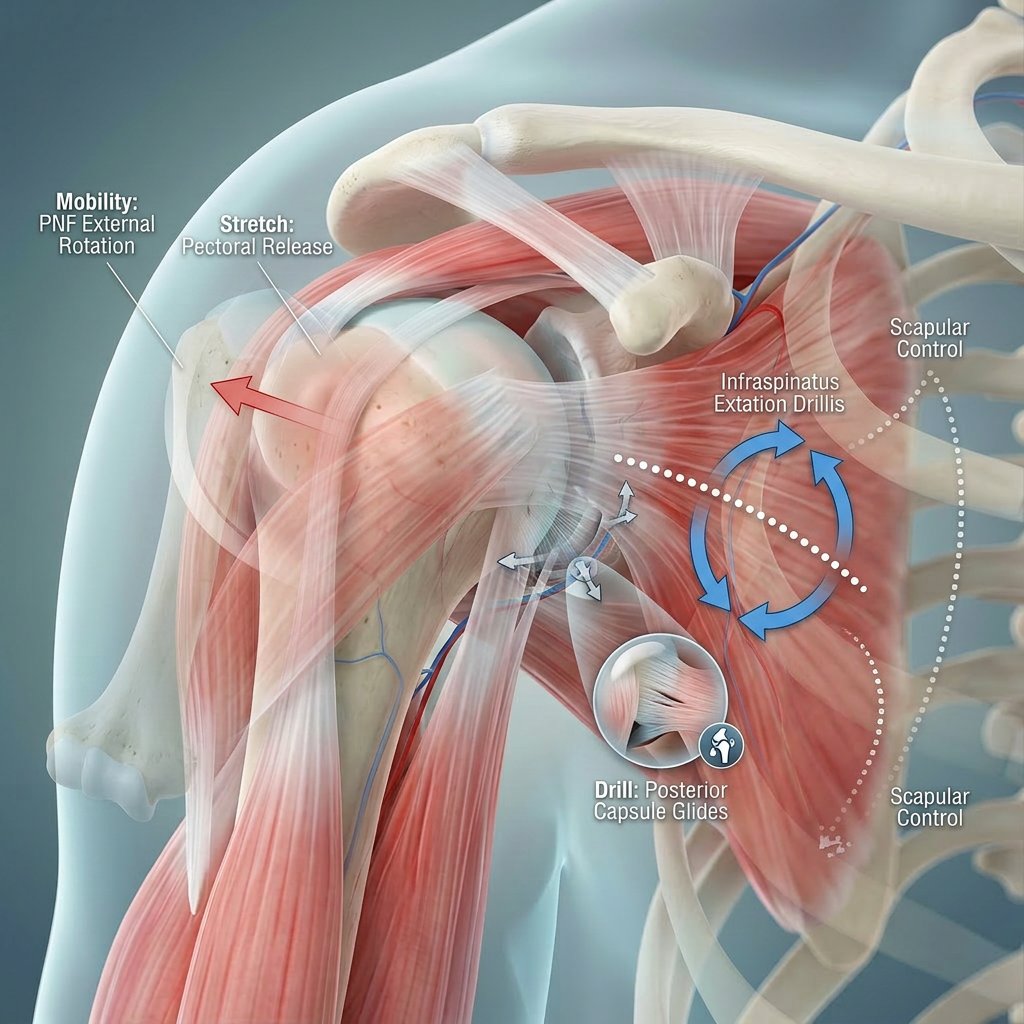
What Stretching Actually Is
Stretching is the practice of lengthening a muscle beyond its resting state — holding or moving through a range that creates a sensation of tension in the tissue.
There are two main types most people encounter:
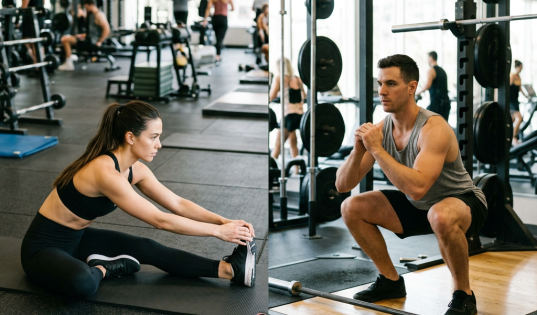
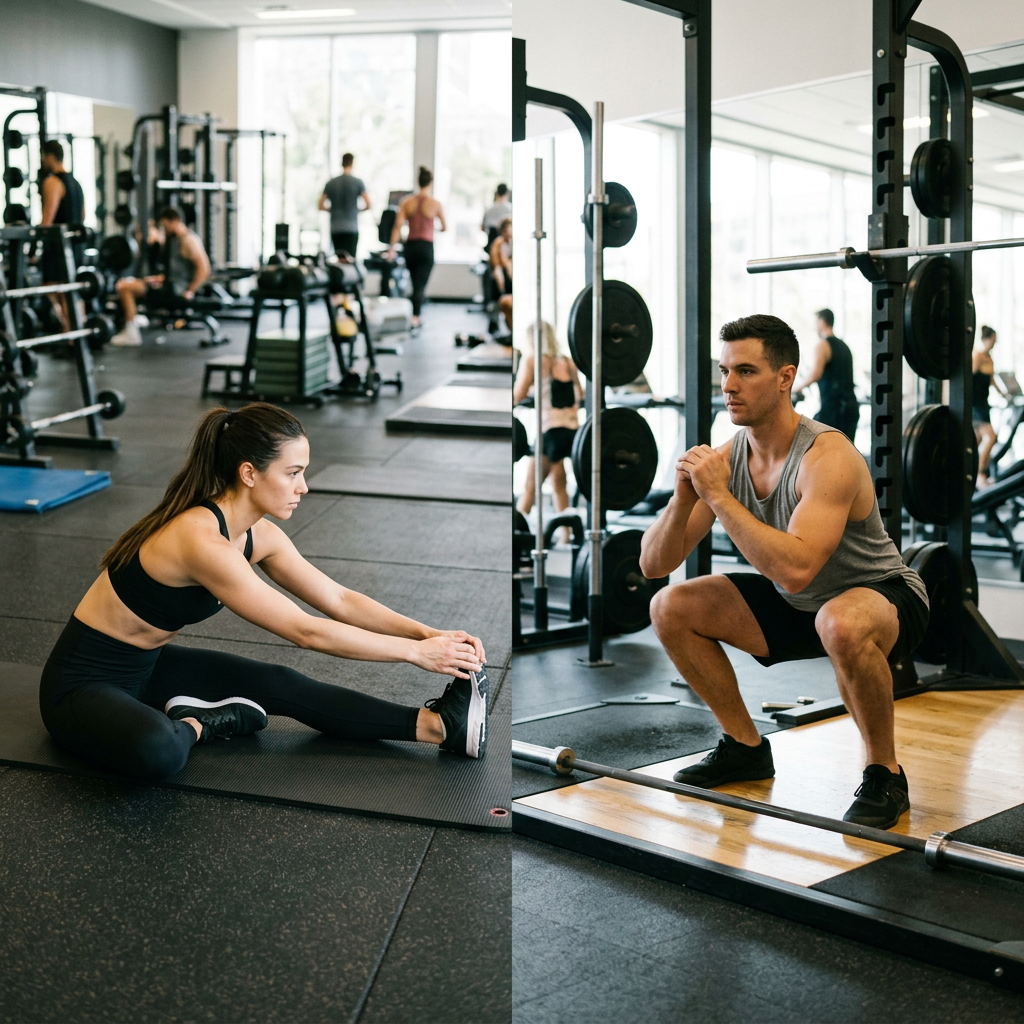
Static stretching — holding a position for 20-60 seconds. The classic hamstring stretch, the quad pull, the pigeon pose. This is what most people mean when they say they stretch.
Dynamic stretching — moving through a range repeatedly without holding. Leg swings, arm circles, walking lunges. More appropriate as a warm-up because it does not reduce muscle activation the way sustained static stretching does.
Stretching works on the muscle’s length-tension relationship. Done consistently over weeks and months, it genuinely increases the range of motion available to a joint. This is valuable. The limitation is that increased length does not automatically mean increased usable range. You can become more flexible without becoming more mobile.
What Mobility Actually Is
Mobility is the ability to move a joint actively through its full range of motion with control.
The critical word is actively. Stretching is largely passive — something moves you or holds you in position and the muscle lengthens. Mobility work requires your nervous system and surrounding muscles to actively control the movement through the entire range.
This is why someone can be highly flexible — able to be pushed into a deep stretch by a physiotherapist — but still move poorly under load. The passive range exists. The active, controlled range does not.
Mobility training develops the neuromuscular control to use your available range. It trains the muscles to work at their end range — not just to reach it.
EXPERT TIP
A simple test to understand the difference:
lie on your back and have someone lift your
straight leg as high as it will go — that
is your passive flexibility. Then lift the
same leg yourself, hold it and control it
at that height — that is your active mobility.
Most people find the active range is
significantly less than the passive range.
That gap is exactly what mobility training closes.
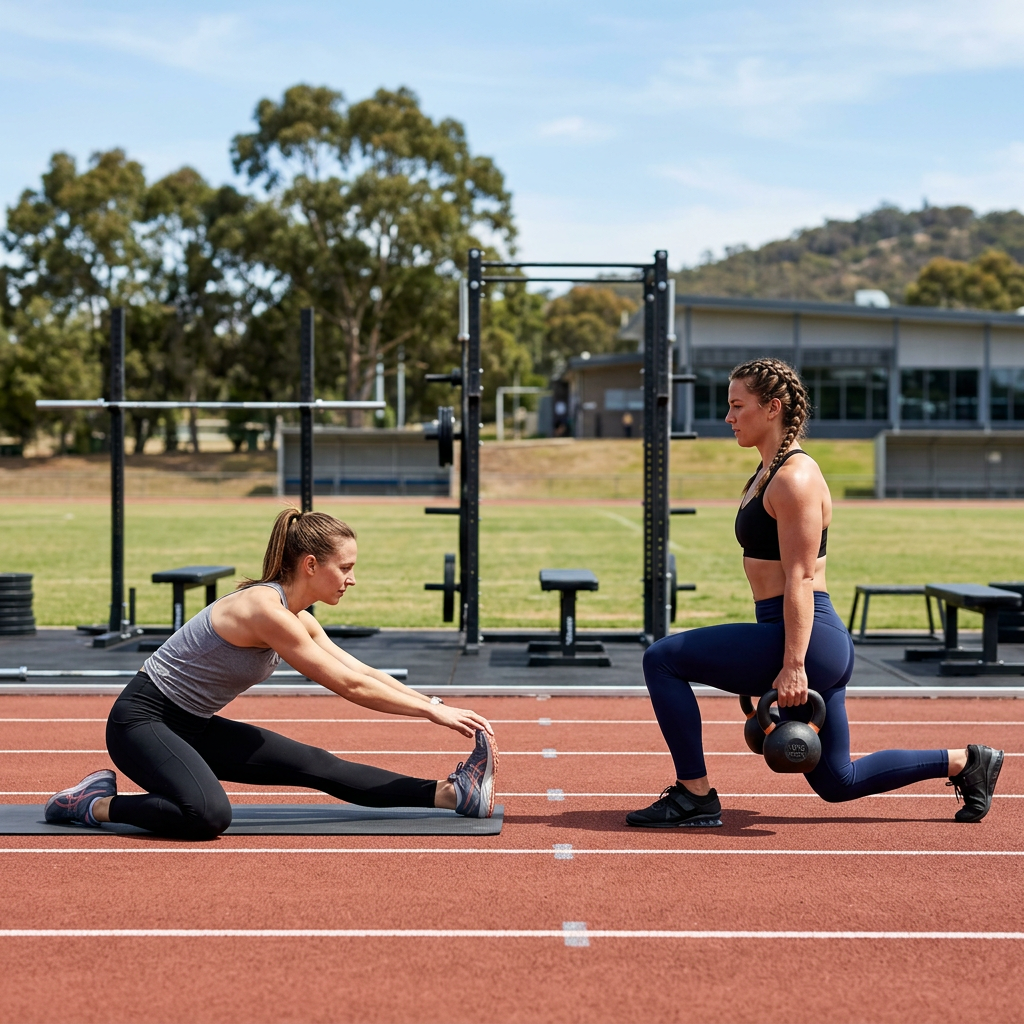
The Real Difference — Why It Matters
The practical difference between stretching and mobility becomes clear in movement.
A runner who stretches their hip flexors consistently but never trains hip mobility will find that the length gained does not transfer to their stride pattern under fatigue. The muscle can reach the position passively but cannot maintain it actively when the nervous system is under load.
A weightlifter who stretches their thoracic spine but does not train thoracic mobility will still round in the upper back under heavy load — because the active control at end range was never developed.
The comparison in simple terms:
| Stretching | Mobility Training | |
|---|---|---|
| What it trains | Muscle length | Active range of motion |
| How it works | Passive lengthening | Active neuromuscular control |
| When to do it | Post-session, rest days | Pre-session, dedicated sessions |
| Result | Increased flexibility | Usable range under load |
| Limitation | Does not build control | Requires more effort and focus |
| Best for | Recovery, relaxation | Performance, injury prevention |
Neither is superior. They serve different purposes and complement each other when used correctly.
Which One Do You Actually Need?
The answer depends on what your movement problem actually is.
- You need more stretching if:
You feel chronically tight and tense, your recovery between sessions is poor, you have restricted range that exists even when you are fresh and rested. Stretching addresses accumulated tension and improves passive range over time. - You need more mobility training if:
You can stretch into a position but cannot hold or control it under load. Your form breaks down under fatigue. You have recurring niggles that resolve briefly and then return. You plateau on movements that should be improving with practice. - You likely need both if:
You have been stretching consistently without seeing meaningful improvement in your movement quality. This is the most common scenario — people address the passive range without ever developing the active control to use it.
How to Train Both Effectively
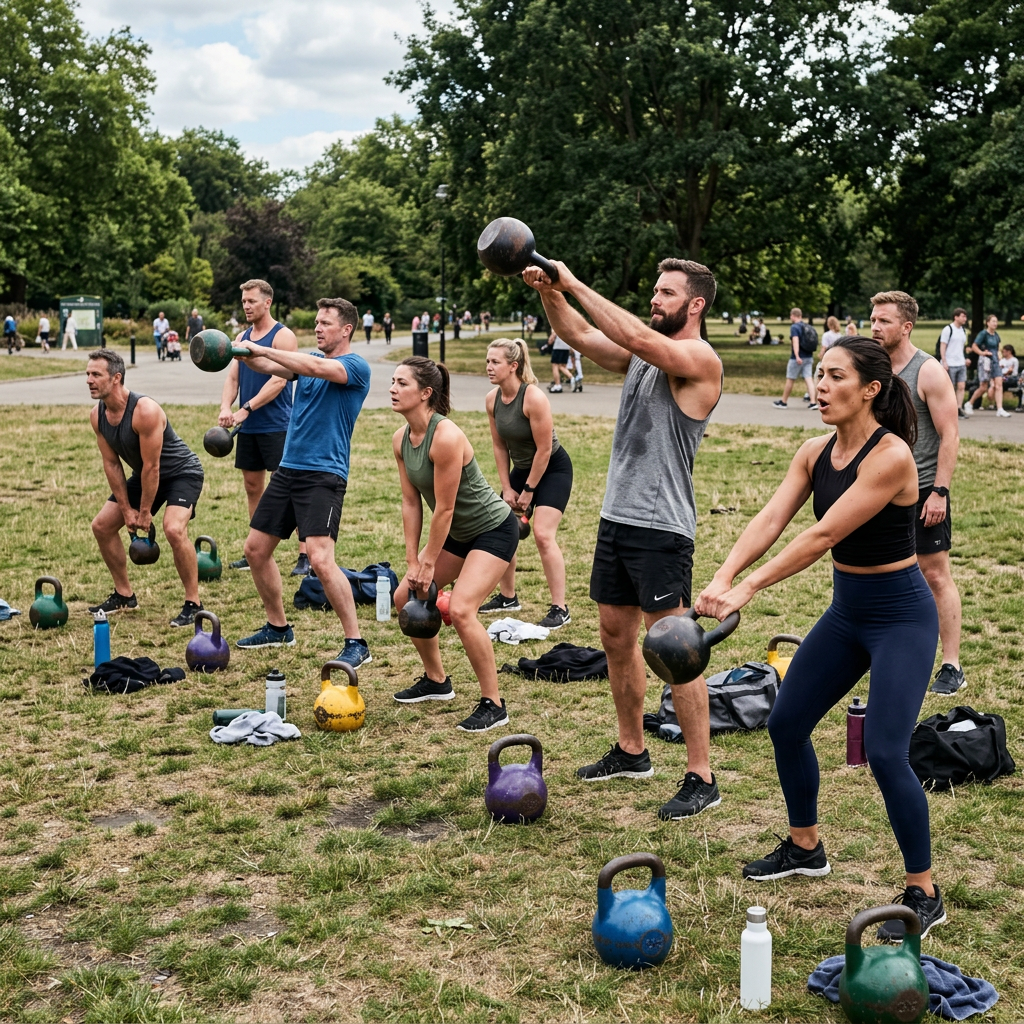
A practical approach that combines both:
- Pre-session — mobility focus (10 minutes)
Active joint circles — hips, shoulders, ankles
Controlled articular rotations (CARs)
Dynamic movements through full range
Activation of the specific joints you
will load in the session- Post-session — stretching focus (10 minutes)
Static holds in major muscle groups worked
90 seconds minimum per position
Focus on areas that feel tight or restricted
This is recovery, not performance work- Dedicated mobility session — 20-30 minutes (2-3 times per week)
End range strengthening —
holding positions at maximum range under load
Controlled movements through full range
with deliberate tempo
Position-specific work relevant to
your training goals
The dedicated mobility session is what most people skip — and it is the most valuable of the three for actually changing how you move.
Find more informations regarding Mobility and Flexibility exercises on this NHS guide for :
How to improve your strength and flexibility
The Role of Strength in Mobility
This is the part that most flexibility-focused approaches miss entirely.
Mobility is not just about range. It is about strength at end range. A joint that can move into a position but cannot support load in that position is not mobile — it is hypermobile and potentially at higher injury risk.
The hip that can reach a deep squat position passively but collapses when loaded is not a mobility problem that more stretching will solve. It is a strength deficit at end range that requires specific loading in that position to resolve.
This is why the most effective mobility training incorporates resistance — either bodyweight or light load — at the end ranges you are trying to develop. It trains the muscles to be both long and strong, which is what functional movement actually requires.
Want to work with a Pilates or yoga coach
who specialises in mobility and movement quality?

Find qualified coaches near you on Elemento.

[ Start your Journey → ]
→ Yoga coaches near you
Tools for Mobility Training
→ Non-Slip Yoga Mat — From £18.99
→ Resistance Bands Set — From £6.99
→ Wooden Push Up Bars — From £24.99FAQ
What is the difference between mobility and flexibility?
Flexibility refers to the passive range of motion available to a muscle or joint — how far it can be stretched. Mobility refers to the active, controlled range of motion — how far you can move a joint under your own muscular control. You can be flexible without being mobile, but improving mobility typically improves functional flexibility over time.
Should I stretch or do mobility work before training?
Mobility work is more appropriate before training — active joint preparation, dynamic movement and controlled range work activates the nervous system and prepares joints for load. Static stretching before training can temporarily reduce muscle activation and is better placed after sessions or on rest days.
How long does it take to improve mobility?
Meaningful improvements in active range of motion typically take four to eight weeks of consistent practice — two to three dedicated sessions per week minimum. Passive flexibility responds faster to stretching. Active mobility takes longer because it requires neuromuscular adaptation, not just tissue length change.
Can stretching alone improve my mobility?
Stretching alone improves passive flexibility but does not develop the active control that defines true mobility. If your goal is to move better under load — in sport, in the gym or in daily life — mobility training that includes strength at end range is necessary alongside stretching.
Why do I feel tight even though I stretch regularly?
Persistent tightness despite regular stretching usually indicates one of two things: either the issue is a mobility deficit rather than a flexibility deficit — meaning you need active control work, not more passive lengthening — or the tightness is a protective response from the nervous system to perceived joint instability. In the latter case, strengthening the area often resolves the tightness more effectively than stretching it.
RELATED POSTS:
→ What Is Fascia Training? Benefits and How to Start
→ Cold Water Swimming: Benefits and How to Start
→ Diaphragmatic Breathing: How Belly Breaths Unlock Focus, Calm & Core Power
About the author
Francesco Gallo founded Elemento Fitness and is a qualified personal trainer with more than 20 years of experience in martial arts, weightlifting, and calisthenics.
He started his journey doing karate since he was 4 years old. He then competed in boxing, kickboxing, and strength sports before becoming an instructor. A personal loss changed his focus from performance to long-term health and well-being, which led him to build Elemento.
Elemento combines old knowledge with new training to bring together physical, mental, and emotional health through the four natural elements. “True fitness goes beyond the physical,” Francesco says. “It’s about being able to adapt, master something, and grow as a person.”
Francesco leads Elemento’s mission to make excellent coaching accessible across the UK and to support fitness professionals in building sustainable, successful businesses.