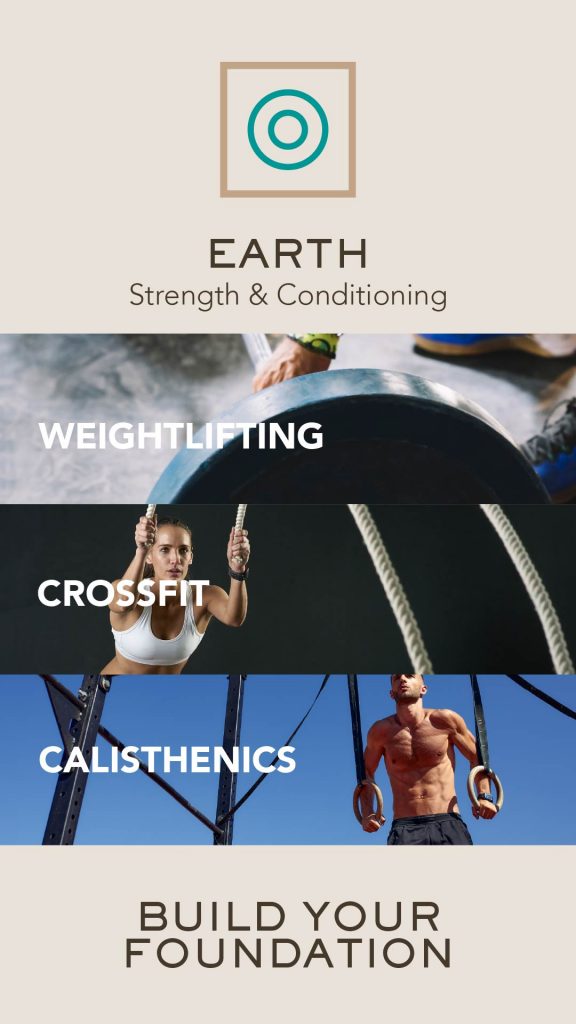


Calisthenics vs weightlifting is a common debate for anyone looking to build strength, gain muscle, or improve overall fitness. Both methods offer powerful results—but they approach strength training in different ways. Whether you’re a beginner or looking to level up, understanding the key differences can help you make the right choice for your goals.
CONTENTS
🆚 Quick Comparison: Calisthenics vs Weightlifting
| Category | Calisthenics | Weightlifting |
|---|---|---|
| Equipment Needed | Minimal (bars, floor, park) | Barbells, machines, gym access |
| Strength Gains | Functional, full-body control | Max strength and hypertrophy |
| Muscle Isolation | Harder to isolate muscles | Easier to target specific muscles |
| Flexibility/Mobility | High focus on joint control and stability | Depends on technique and programming |
| Accessibility | Anywhere, any time | Needs a structured setup and safety measures |
| Learning Curve | High for skills like planche or front lever | Moderate (form is key, but progression is clearer) |
| Injury Risk | Lower (when scaled properly) | Higher if technique is poor or overload is mismanaged |
💪 Muscle Growth and Strength Training
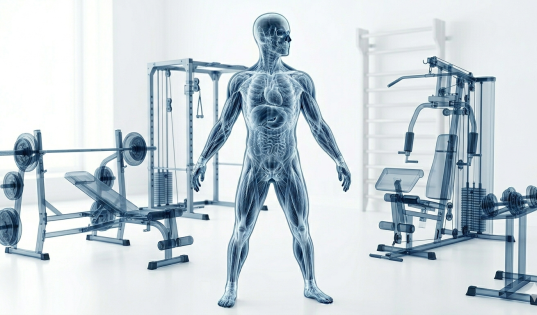
Weightlifting is one of the most effective ways to increase muscle mass and max strength. With access to barbells, dumbbells, and machines, you can apply progressive overload and isolate muscles more precisely. It’s ideal for structured strength programs and muscle-building routines.
Long-Term Strength Development and Injury Prevention
One important factor when comparing calisthenics vs weightlifting is long-term joint health and injury prevention. Both training styles can be extremely effective when performed with proper technique and progressive overload. Calisthenics emphasizes bodyweight control and mobility, which can help develop strong connective tissues and joint stability. Exercises such as pull-ups, dips, push-ups, and advanced holds require athletes to maintain control through a full range of motion, encouraging balanced muscular development.
Weightlifting, on the other hand, allows athletes to progressively increase external load, making it one of the most efficient ways to build maximal strength and muscle mass. When performed with correct form, barbell training can strengthen bones, improve posture, and support long-term physical performance.
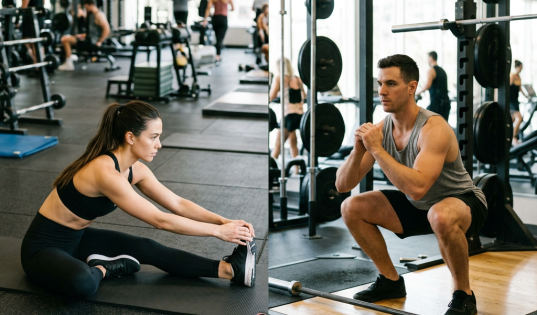
Many strength coaches recommend combining elements of both approaches. For example, athletes may use weightlifting movements like squats and deadlifts to build raw strength, while integrating calisthenics exercises to improve body control and relative strength.
According to guidance from the National Strength and Conditioning Association, combining structured resistance training with proper technique and progressive overload is one of the most effective ways to build sustainable strength and reduce injury risk over time.
For many athletes, the best training method is not choosing one over the other, but learning how to integrate both into a balanced strength program.
🧘 Functional Fitness and Bodyweight Control
Calisthenics training uses bodyweight movements like pull-ups, dips, and planks to build strength, coordination, and control. This style promotes joint stability, mobility, and athletic balance—making it a powerful tool for those looking to master their body and prevent injury.
🏋️ Equipment, Setup, and Training Environment
One of the biggest differences in calisthenics vs weightlifting is the equipment required. Calisthenics needs almost nothing—just a bar, a mat, or a park. Weightlifting requires gym access, safety awareness, and proper technique. Your lifestyle and space will influence your best option.
🔍 Expert Tip: Combine Both Strength Methods
You don’t need to choose between bodyweight and weights. In fact, the most well-rounded athletes often train with both. Use push-ups to improve shoulder stability and core strength, and deadlifts to build power and muscle density. Mixing methods can prevent plateaus and keep your training dynamic.
Find here more information about Strength Training and Calisthenics.
👉 Explore calisthenics coaching and programs
👉 Discover weightlifting specialists and tips
Ready to take the first step? Choose your method, get your gear, and connect with the right coach—because progress starts when knowledge meets action.
Read: CrossFit vs Weightlifting: Why Smart Athletes Do Both
Brazilian Jiu Jitsu Training for Beginners: Benefits, Safety, Gi vs No-Gi, and How to Start
Yoga Teaching Career UK: 9 Proven Steps for Success
Why Elite Rock Climbers Lift Weights (And You Should Too)